Saturday, 28 January 2017

4 weeks in

So, I'm coming to the end of my first 4 weeks with my coach, which also means I'm coming to the end of my recovery week which has been lovely!

I feel like I have hardly done anything this week, but its guilt-free as I know I have put the work in in the previous 3 weeks and more hard work is coming....

"What have the first 4 weeks been like?" I hear you ask....

The first week hit me hard. It was a real wake up call in terms of what I thought I should be doing and what I really should be doing. The 2 hour bike/run/bike/run/bike/run in the first week nearly killed me!

I have trained pretty hard for the last 10 years, but on my own terms and following my own programme (or something cobbled from the internet), and don't get me wrong, this has worked pretty well, I've got fairly decent positions in the triathlons I have competed in over the years, so something has worked "OK".

But I thought it was time I did it properly. With proper guidance, direction and accountability. So on 1st January I started following a set programme. The first week or so was very much about my coach understanding my abilities, which meant I had to do lots of tests.....

The first week looked something like this:

Monday 50 min run with hill intervals
Tuesday 60 min swim to include a timed 200m and 400m piece plus 45 mins strength & conditioning (S&C)
Wednesday10k bike followed by 10min run x 3 (best part of two hours)
Thursday REST - yay!
Friday Pool technique session + S&C session
Saturday cycle 40mins to do a parkrun, and cycle back
Sunday 70 min easy run....

Having done soooooo much less than that in the weeks beforehand I was totally knackered at the end of the first week - also fighting a sore throat passed on from a lovely client, I wondered how I would survive!!! I needed food and sleep - a lot of both!!

Wednesday, 25 January 2017

First post

I've revitalised this blog and changed the focus of it to be solely on my triathlon training quest for success.

I wanted to take it away from my business blog on my website, but also to link it remotely. I'm not sure that will make sense to many of you but it makes sense to me!

So firstly, I wanted to write about my goal for the next year or two....or three, and then continue writing on my journey, sharing the highs, lows, challenges and hopefully successes.

My goal, which has been a thought in my head for probably 10 years, but pushed to the background as a pointless exercise in the early years, is to qualify to represent GB in my age group in either olympic or sprint triathlon.

I don't know what year this will be. I had originally thought it would be in my 50th year, but having found out that its incredibly competitive in that year, my goal may be brought a little early, to be either 2017 or 2018. I'm now 48.

For the last 10 years or so I have 'played' at triathlon and never really considered myself to be a triathlete. I've done OK and come fairly high in my age group in the events I have competed in, but what that means in the REAL competitive triathlete world I have no idea...... are the events I have competed in really representative of the triathlon world as a whole, or have I chosen easy events that show no correlation at all? Perhaps its fluke and all the proper fast athletes weren't at the same event as me....

Not one to compete on a regular basis, for fear of failure, I have had no measure.

Is my training the right training? am I doing too little, too much? could I get faster? How do i get faster?

Also, as someone said to me....'you are a triathlon coach, surely you know what to do?'

I realised, that when it came to myself,  I didn't know what to do. I thought I did, and probably had a rough idea, but I came to the conclusion at some point in 2016 that I needed help. Yes, I'm self-motivated, yes I can cobble together a training plan or download one from the internet, but how effective is it?

I needed direction, I needed someone to push me, and I needed to be accountable to someone. So I found a triathon coach to take me to where I wanted to go.

This blog is now about that journey, which started on 1 Jan 2017.

Tuesday, 8 October 2013

Race Fuel Rules


Race fuel rules:

Try beetroot juice!
7 days prior to your event, load up on 140ml concentrated beetroot juice daily. Its been shown to improve endurance by increasing nitrites in the blood, which reduces oxygen uptake from the blood.

3-5 days pre-race
Slowly increase your carb intake, aiming for 5-7kg per kilogram of bodyweight each day. Go for little and often rather than bulky meals.
Get lots of sleep & rest and stay well hydrated this week.

24 hours Pre-race
Increase carb intake further, to 8-10g per Kg bodyweight, also include plenty of lean protein into your diet.

The day & night before
I have a large lunch, which is pretty well carb-loaded, but again with a good balance of protein. Then in the evening have a lighter meal of similar proportions but smaller (not too late, to avoid the risk of bloating & a bad nights sleep).

Race morning
2-3 hours before the race have a well-practised breakfast to include slow-release foods such as porridge/banana/bagel/wholemeal toast & peanut butter. Approx 80% of your calories should come from carbs.
Drink plenty of water – 500ml of water with electrolytes.

1 hour before
Have an energy bar to top up your energy stores if it feels comfortable. But don’t force it down. Cliff or Powerbars are made to be eaten prior to exercise

0-45 mins before
If you’re about to take a gel, have one with caffeine in it. If you haven’t practiced this, don’t bother. I usually start taking them 45mins-1hour into the race.

During the race
If a marathon, break it down into 1 hour blocks during which you aim to consume 30-60g carbohydrates. Similarly for long rides or triathlons.  Take whatever it is you have been using in training – a race is NOT the time to start trying new products or foods.

AFTER THE RACE
Within 30 minutes of completion, consume a meal or shake that is 3:1 ratio of carbs to protein, keep drinking but avoid the alcohol (it’ll make you more dehydrated than you already are and you’ll feel terrible).

For the next 48 hours continue to eat approximately the same proportions of carb/protein and hydrate well.

Saturday, 31 August 2013

Should I train on an empty stomach?


The traditional approach that every training session should always be completed with high carbohydrate and loaded glycogen conditions has been challenged by a number of studies around the world. I recently came across an article by Dr James Morton, the Senior Sports Nutritionist for Science in Sport (SiS) and Senior Lecturer in Exercise Metabolism & Nutrition at Liverpool John Moores University (LJMU).

His lab in Liverpool has collectively shown that carefully scheduled and deliberate periods of training with reduced carbohydrate availability can actually enhance the aerobic adaptations that occur in our muscles as a result of endurance training. They advise that only certain training sessions be completed with reduced carbohydrate availability (so as to maximize training adaptation) but yet competition always be performed with high carbohydrate availability (so as to maximize performance).
There are many ways to train low such as training twice per day with no food in between sessions, delaying eating after a single session for several hours or perhaps most practical, simply performing a morning training session in a fasted state i.e. performing your session without consuming breakfast beforehand and limiting intake during exercise to water or low-calorie electrolyte drinks only. 
It is important to note that training fasted is not necessarily a dietary approach of refraining from carbohydrate intake. Rather, training fasted simply means that breakfast is consumed after training as opposed to traditional approaches of consuming a carbohydrate rich breakfast before training.
The rationale for training low is based on the premise that it can enhance the mitocondrial adaptations of our muscles, which effectively means that we have increased the capacity to use fat as a fuel. As a result, we use less carbohydrate during moderate steady state exercise thereby sparing our muscle glycogen stores for when we need it in the hard parts of the race. However, because on race day we typically consume high doses of carbohydrate in order to maximize performance, it is important that our muscles retain the capacity to utilize it and not just fat. For this reason, we believe that periods of training low should also be practiced alongside periods of training high (where your in-race fueling strategy is practiced) so that on race day itself, you now have a muscle that is well developed to use both fat and carbohydrate as a fuel. 
Perhaps the main limitation to training fasted is the potential decrements in training intensity. In a fasted state liver glycogen will be low and depending on the nutritional and training activity the evening before, muscle glycogen may also be compromised. This, in turn, means that blood glucose may become reduced (thus making the exercise seem harder) and the lack of muscle glycogen means that performing hard sessions (especially intervals) will be difficult. Training fasted (especially if muscle glycogen is low) can also lead to a hormonal and metabolic environment that increases muscle protein breakdown and can impair immune function. 
Training fasted repetitively can therefore lead to many detrimental effects if performed long-term.
For this reason, it is essential to target your fasted sessions to those days when training intensity and duration does not require a significant input from  metabolism e.g. 60 min moderate intensity type activity. Additionally, consuming protein before your session (i.e. a protein only breakfast) is a suitable strategy to prevent muscle protein breakdown and partially restore any impairments in training intensity. We must also pay close attention to hydration during our session and in this regard, a low calorie electrolyte drink consumed before and during fasted training will meet your hydration requirements whilst still allowing you to train low

Monday, 12 August 2013

Why do you feel hungry?

Our hormones play a large part in our fat-burning and storage mechanisms. The following eight hormones are the most important ones and I have tried below to summarise how they work together and how they affect our sugar & fat levels. 

Insulin
Insulin is known as a storing and locking hormone.  High insulin levels cause extra sugar to be stored as fat whilst locking fat cells so they cannot be used for energy.  A diet that includes sweets, processed foods and high in starches impacts on our insulin levels by raising it which increases the body’s fat stores and reduces its fat burning potential.


Glucagon
Glucagon is insulin’s opposite which means if insulin locks away fat glucagon can help burn fat.  It works in the liver to help regulate sugar and fat usage.  The insulin and glucagon ratio is a major determinant of whether you burn or store fat. In general, starches/sugar secrete insulin whiles protein stimulates glucagon, so adjusting the protein/carb balance favours fat burning.


Ghrelin
This hormone controls hunger.  As the level raises a hunger and craving message is sent to the brain.  It is difficult to overcome this message with willpower alone and if you have had a history of yoyo diets and calorie restrictions your ghrelin levels will rise more regularly than if you had not, therefore you will feel hungry more often.   Eating protein, fibre and doing intense exercise will help to blunt ghrelin’s message.

Leptin
This hormone decreases our appetite and tells us when we are full.  This is also one of the hormones that control the thyroid to stabilise the metabolism and use fat as an energy source. It is stored in fat cells, so whilst it should lower our appetite, the more fat cells we have the more leptin is released and our body adapts to it, therefore ignores its message to stop eating. We continue to eat and eat and eat and thats why some people become morbidly obese: their bodies never receive the message to stop

Adrenaline
This is our 'fight or flight' hormone. When we are stressed we release adrenaline into the blood stream to help us deal with unforseen and potentially dangerous situations. When we are unable to utilise this adrenaline (by not exercising) and when it is released in the presence of high insulin and leptin levels the body switches its energy source to sugar.  If we can balance out the body’s insulin and leptin levels, when adrenaline is released it will become a fat burning hormone as cortisol, testosterone and human growth hormone.

Cortisol
Is the Jekyll and Hyde hormone and can be your best friend or worst enemy when it comes to fat burning. Cortisol's primary functions are to increase blood sugar through the synthesis of no-carbohydrates, suppress the immune system, and aid in fat, protein and carbohydrate metabolism. It is also released in response to stress, lack of sleep can increase cortisol levels, as can caffeine. When cortisol is released in the presence of high insulin, low testosterone and limited human growth hormone it causes the body to store fat and use muscle stores as the predominate energy source. If it is released with large amounts of human growth hormone and testosterone it blocks muscle burning while enhancing the fat-burning effect.  

Testosterone and Human Growth Hormone
These are building and burning hormones.  These send signals to the body to become lean and muscular by working with cortisol and adrenaline to use fat as energy rather than stored. Working out with weights at high intensity will help to increase these hormones in the body (but ladies don't worry it doesn't mean you will start looking or behaving like a man).

Sunday, 30 June 2013

Sensible snacking

A recent survey of 2,000 women revealed that one in seven women eat five or more sugary or salty snacks per day, and 54% ate unhealthy treats at least 2 or 3 times a day.

The key to snacking is to plan for your snacks by adjusting the size of your meals and not adding to your daily calorie quota. There are a whole host of nutritious and healthy snacks that will keep you satiated for longer and keep your blood sugar levels stable through the day. One of the most important aspects of snacking is to make sure your portion sizes are controlled.

Below are some examples of snacking portions;

Nuts
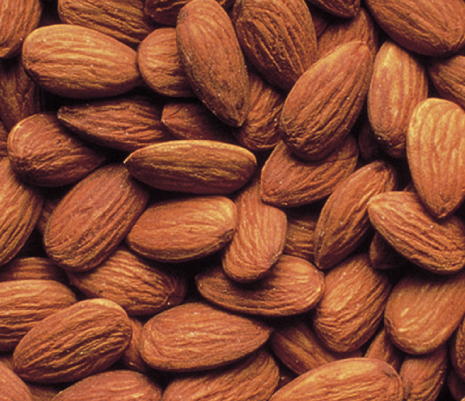
They are high in protein and fibre as well as being low GI, keeping you fuller for longer. 20-25 almond kernels (151 cals)

Dried apricots
Also rich in fibre, and iron and carotenes. 5-6 apricots are 129 cals.

Apples
The pectin fibre that apples contain swells in the digestive system, ensuring you stay satiated. portion size 1 apple

Rice Cakes with peanut butter
Perfect combo of protein, fat, carbohydrates and fibre, also a good source of magnesium. Portion size 2 teaspoons peanut butter with 2 rice cakes. (176 cals).

Hummus with vegetable sticks
Hummus contains fibre, protein, vit E and iron. portion size 50g hummus with veggie sticks

Bananas
One banana supplies 15g of easily digestible carbohydrates from a mixture of sugars and starch - perfect for replenishing muscle fuel.

Red grapes and cheese
A 25g portion of cheese supplies one quarter of your daily calcium requirement as well as protein and B vitamins. portion size - 25g cheddar 80g grapes.


Tuesday, 25 June 2013

What to look for in a personal trainer


Just as there isn’t truly a one-size-fits-all when it comes to clothing, there is no one-size-fits-all when it comes to training. You need to ensure that you not only reach your goals and maximize your results, but also love the experience. These are my top tips (not biased at all!) when you are searching for a trainer:

1. Your personalities click
My tip: Don’t be afraid to shop around
Personality is paramount when it comes to considering working with a trainer. A trainer can have all the qualifications and experience in the world, but if you don't connect, then it will be difficult to develop a relationship that leads to commitment and success. I like potential clients to interview me during our initial assessment to make sure our personalities match, and also suggest they look around and meet other trainers before making a decision. 

2. They put their clients before the program

My tip: The first session will say it all
Not going through a workout at the first session can be a sign of a bad trainer. It is impossible to receive personal training until the trainer knows the person behind the program they are creating. Your trainer should become familiar with your goals, history, likes and dislikes, schedule, current movement abilities, and areas of pain. A full initial assessment of your health and abilities should be an essential starting point.

3. They’re all ears and a lot of heart
My tip: Make sure you do most of the talking
A good trainer has good listening skills, a compassionate disposition, and generally feels like someone with whom you connect personally. 

4. They never stop learning
My tip: They are committed to their own ongoing education
Make sure your trainer has a minimum of REPS Level3 certification in personal training and also has committed to ongoing learning by attending workshops and conferences. The fitness industry changes at warp-speed, so it’s important for all fitness pros to stay up with the latest trends, knowledge, and practical ways to deliver results and keep your workouts interesting.

5. They know why it’s called personal training
My tip: Be sure the workout is about  your specific goals
When you are paying for one-on-one workouts, you deserve more than a canned workout. While every trainer has some favourite moves that they may use for multiple clients, your workout should be very specific to your goals, your shortcomings, and your level. Be sure that your trainer focuses on your individualised needs--and doesn’t just give you the same workout she gives every client. It should show some clear progressions over time to ensure you are challenged too.